How to Identify Real Gemstones | Expert Buying Guide
Learn how to identify real gemstones with expert tips from GemsByRax. Discover simple tests, common fake gemstone signs, certification tips, and buying advice before making your next purchase.
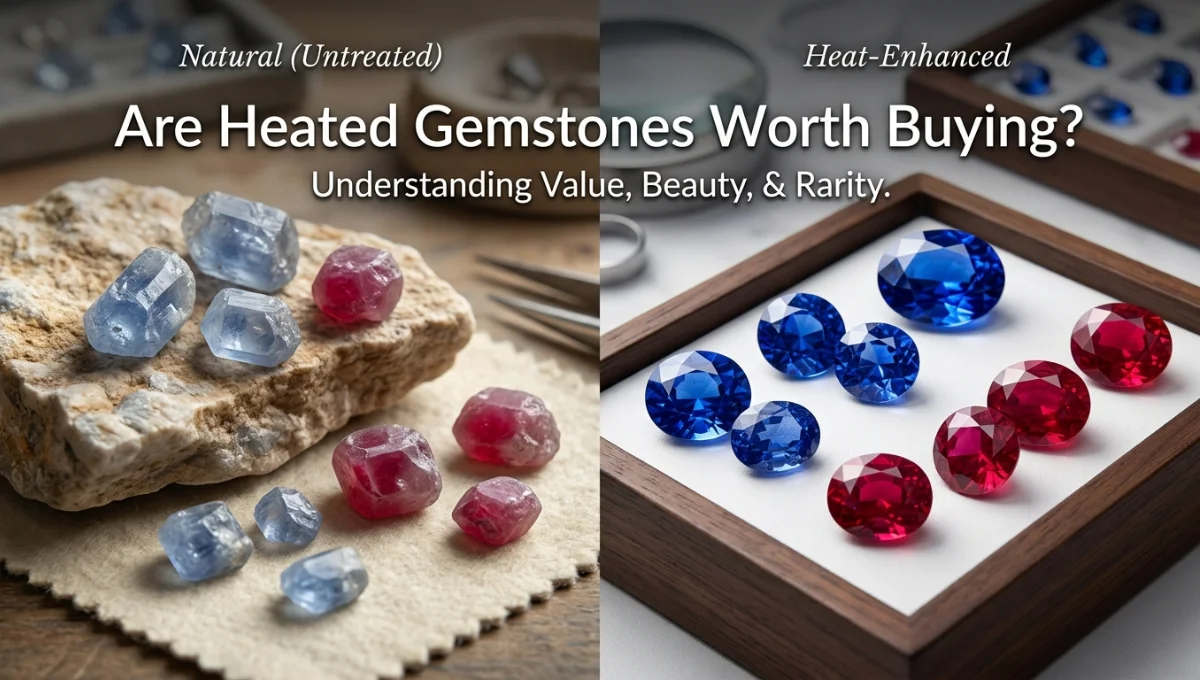
“How do I know if my gemstone is real?”
I completely understand this concern. With so many synthetic stones, imitations, glass replicas, and treated gemstones available in the market, identifying an authentic gemstone can be challenging, especially for first-time buyers.
In this guide, I will share practical tips that I personally recommend when purchasing gemstones. My goal is to help you make informed decisions, avoid common mistakes, and invest confidently in genuine gemstones.
Why Authentic Gemstones Matter
Whether I am buying a gemstone for jewelry, astrology, healing, or as an investment, authenticity always comes first.
A genuine gemstone offers:
- Better long-term value
- Natural beauty and uniqueness
- Greater durability
- Confidence in my purchase
- Authentic mineral composition
While synthetic gemstones can look beautiful, they are not the same as naturally formed gemstones. Knowing the difference helps me buy exactly what I am paying for.
Understand the Different Types of Gemstones
Before identifying a real gemstone, I first understand the categories available in the market.
Natural Gemstones
These are created naturally inside the Earth over millions of years. Every natural gemstone contains unique internal characteristics that make it one of a kind.
Synthetic Gemstones
Synthetic gemstones are created in laboratories. They have the same chemical composition as natural stones but are man-made.
Imitation Gemstones
These are designed only to resemble natural gemstones. They may be made from glass, plastic, resin, or inexpensive minerals.
Knowing these differences prevents unnecessary confusion while shopping.
Check for a Gemstone Certification
One of the first things I always ask for is a gemstone certificate.
A reliable gemstone certificate confirms important details such as:
- Gemstone identity
- Natural or synthetic origin
- Treatments (if any)
- Weight (carats)
- Color
- Transparency
- Laboratory verification
Buying certified gemstones from trusted sellers significantly reduces the risk of purchasing fake stones.
Observe Natural Inclusions
One of the biggest indicators of a real gemstone is its internal inclusions.
Natural gemstones are formed under immense heat and pressure inside the Earth. Because of this natural formation process, they often contain:
- Tiny mineral deposits
- Fine cracks
- Feather-like inclusions
- Growth patterns
- Natural color zoning
I become cautious when I see a gemstone that appears absolutely flawless because perfection can sometimes indicate laboratory production.
Remember, natural imperfections often prove authenticity.
Examine the Color Carefully
Many people assume brighter color means better quality.
I don’t.
Instead, I look for natural color consistency.
A genuine gemstone usually displays:
- Rich but natural color
- Slight variations
- Depth
- Even saturation
Fake gemstones often appear unnaturally bright or overly uniform.
If the color looks too perfect, I investigate further.
Feel the Weight
Natural gemstones usually feel heavier than glass or plastic imitations.
For example:
- Sapphire feels denser than blue glass.
- Ruby feels heavier than dyed quartz.
- Emerald has a different density than green glass replicas.
Although weight alone cannot confirm authenticity, it provides another useful clue.
Check the Hardness
Every gemstone has a specific hardness measured on the Mohs Hardness Scale.
For example:
- Diamond – 10
- Sapphire – 9
- Ruby – 9
- Emerald – 7.5–8
- Quartz – 7
Harder gemstones resist scratches better than softer imitation materials.
However, I never recommend performing scratch tests on valuable gemstones because they may damage the stone.
Instead, I rely on professional gemological testing.
Look at the Transparency
Natural gemstones rarely appear perfectly clear.
Depending on the gemstone type, I expect to notice:
- Slight cloudiness
- Tiny inclusions
- Internal reflections
- Natural growth features
Glass imitations often appear unusually clear without internal characteristics.
Notice the Temperature
One simple observation I make is how the gemstone feels when I first hold it.
Natural gemstones generally feel cool to the touch because minerals conduct heat differently than plastic or glass.
Although this isn’t a scientific test, it offers another helpful indicator when combined with other observations.
Watch Out for Unrealistic Prices
One of the biggest warning signs is a price that seems too good to be true.
If someone offers:
- Large rubies at extremely low prices
- Perfect emeralds at huge discounts
- High-quality sapphires for a fraction of market value
I become extremely cautious.
Natural gemstones are valuable because they are rare. Extremely low prices often indicate imitation, synthetic, or heavily treated stones.
Buy from Trusted Sellers
The easiest way to avoid fake gemstones is choosing a reputable gemstone dealer.
Before making any purchase, I always check:
- Customer reviews
- Business reputation
- Return policy
- Certification availability
- Product transparency
- Experience in the gemstone industry
Trustworthy sellers educate customers instead of simply making sales.
Common Mistakes I Avoid
Many buyers unknowingly make mistakes that lead to disappointment.
Here are a few that I always avoid:
- Buying only based on price
- Ignoring gemstone certification
- Trusting social media advertisements blindly
- Purchasing from unknown sellers
- Believing every “healing stone” claim without verification
- Assuming every flawless gemstone is natural
Avoiding these mistakes has helped me make smarter purchases over time.
Can I Identify a Gemstone at Home?
Basic visual inspection can certainly help.
However, accurately identifying a gemstone often requires specialized equipment such as:
- Microscope
- Refractometer
- Spectroscope
- Polariscope
- Specific gravity testing tools
Professional gemologists use these instruments to verify authenticity without damaging the gemstone.
Whenever I make a significant purchase, I prefer certified gemstones supported by laboratory reports rather than relying solely on home tests.
Final Thoughts
Learning how to identify real gemstones is one of the smartest investments I can make before purchasing any precious or semi-precious stone.
Rather than focusing only on appearance, I always consider certification, inclusions, color, weight, hardness, transparency, seller credibility, and overall value. These factors help me distinguish natural gemstones from synthetic or imitation alternatives.
At GemsByRax, I believe every gemstone purchase should be built on trust, transparency, and education. When I understand what makes a gemstone genuine, I can shop with confidence and choose stones that truly match my purpose—whether it’s jewelry, astrology, healing, or collecting.
Have you ever wondered whether a gemstone you own is real? What signs made you question its authenticity? Share your thoughts and experiences—I’d love to hear your story.
Frequently Asked Questions (FAQs)
1. How can I tell if a gemstone is real at home?
I can check basic indicators such as natural inclusions, weight, color, temperature, and overall appearance. However, professional laboratory certification remains the most reliable method.
2. Are certified gemstones always genuine?
A gemstone certified by a reputable gemological laboratory provides much greater confidence regarding its identity and origin. Always verify that the certificate comes from a recognized testing lab.
3. Can fake gemstones look exactly like real ones?
Yes. Modern synthetic and imitation gemstones can closely resemble natural stones. This is why certification and expert examination are important.
4. Is every flawless gemstone fake?
Not necessarily. Some natural gemstones have excellent clarity, but completely flawless stones are rare. Extremely perfect stones deserve additional verification.
5. Why are natural gemstones more expensive?
Natural gemstones take millions of years to form and are limited in supply. Their rarity, durability, beauty, and demand contribute to their higher value.
6. Should I buy gemstones online?
Yes, but only from trusted sellers who provide clear product details, genuine certifications, transparent return policies, and positive customer reviews.